 English

Views: 0 Author: Site Editor Publish Time: 2026-07-13 Origin: Site


Fleet managers and owner-operators constantly battle tightening profit margins in today’s demanding transport sector. You need commercial equipment capable of moving massive payloads without immediately draining your operational budget. Finding a reliable vehicle often forces a difficult compromise between build quality and affordability. High upfront procurement costs rarely guarantee long-term reliability out on the open road.
This comprehensive review evaluates the H9 platform based strictly on engineering realities and daily logistics applications. We move past standard manufacturer spec sheets to assess its real-world viability. You will discover exactly how this vehicle handles long-haul routes, complex industrial environments, and heavy load demands. By analyzing powertrain efficiency and maintenance schedules, you can make an informed purchasing decision. Our goal is providing actionable insights for scaling your fleet efficiently.
Core Capability: Designed for high-load, continuous operation with optimized powertrain configurations (e.g., standard 6x4 setups).
Primary Use Cases: Best suited for long-distance highway logistics and moderate-to-heavy industrial hauling.
TCO Focus: Competitive initial acquisition cost, but long-term ROI depends on strict adherence to maintenance schedules and route matching.
Decision Factor: Buyers must weigh payload requirements and regional parts availability before fleet integration.
The core strength of any commercial vehicle lies in its powertrain architecture. We evaluate the H9 tractor truck based on verifiable mechanical outputs. The engine configurations range primarily from 460HP to 550HP options. You can select the specific power output matching your regional topography. High horsepower models tackle steep mountain inclines effortlessly. They maintain a highly balanced torque-to-weight ratio. This ratio directly improves vehicle gradeability under maximum payload conditions. An underpowered engine struggles on hills and burns excess fuel.
Transmission systems dictate how efficiently the engine transfers power to the wheels. Buyers choose between manual gearboxes and Automated Manual Transmission (AMT) setups. AMT options significantly reduce power loss during gear shifts. They also prevent driver-induced clutch wear. Axle load distribution ensures the structural integrity of the entire chassis. A well-distributed load prevents premature suspension failure.
Fuel efficiency remains a critical metric for long-distance operations. Flat highway cruising yields excellent consumption baselines. Undulating terrain naturally increases fuel burn. However, aerodynamic cabin elements realistically contribute to drag reduction. Roof deflectors and side skirts channel air smoothly around the trailer. These features translate directly into measurable fuel savings over thousands of miles.
| Component Category | Available Configurations | Primary Benefit |
|---|---|---|
| Engine Output | 460HP, 480HP, 550HP | Adaptable to flat or mountainous route profiles. |
| Transmission Options | 12-Speed Manual, AMT | Optimizes shifting efficiency and reduces driver fatigue. |
| Drive Axles | Standard 6x4 setup | Ensures maximum traction and chassis structural integrity. |
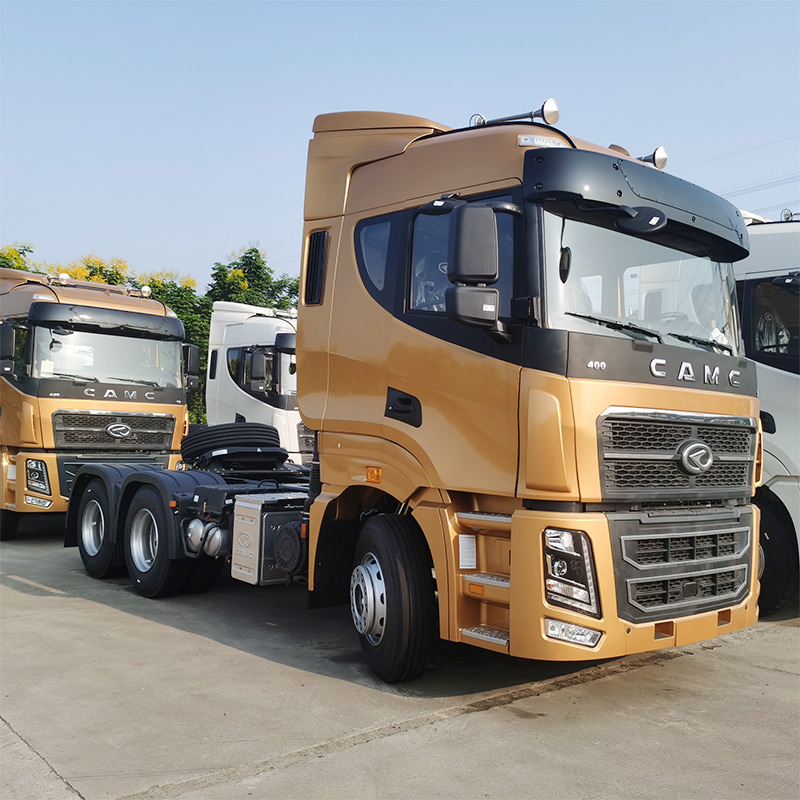
Matching the vehicle to its ideal operational environment guarantees better returns. Long-haul logistics represent the primary use case for this platform. The truck demonstrates remarkable cruising speed stability on interstate highways. Sustained engine performance over high mileage reduces mechanical wear. You achieve faster transit times without triggering exponential fuel burn. Your dispatchers can confidently schedule tighter delivery windows.
Industrial and construction material transport presents different challenges. You often navigate uneven dirt surfaces at remote delivery sites. When reviewing the H9 tractor truck,heavy duty tractor truck markets show an increasing demand for durability. The frame absorbs high-stress torsion easily. It remains durable when subjected to shifting payloads like gravel or steel coils. Heavy duty suspension components handle these dynamic forces seamlessly.
However, we must acknowledge certain operational limitations. This vehicle is not an ideal fit for tight urban distribution. Inner-city delivery routes require extreme maneuverability. The turning radius becomes a significant liability in crowded metropolitan streets. The large cabin size restricts movement through narrow loading docks. We recommend utilizing smaller, rigid box trucks for final-mile city logistics instead.
Routine maintenance directly influences your actual time spent earning revenue on the road. You must implement predictable maintenance intervals across your entire fleet. Strict adherence to service frequencies prevents catastrophic mechanical failures. Core components require diligent and regular attention.
Engine Oil and Filters: Replace fluids strictly according to the manufacturer mileage intervals.
Axle Lubrication: Grease the drivetrain components to prevent severe friction damage.
Cooling System Checks: Inspect hoses and coolant levels before embarking on long routes.
Brake Calibration: Test pneumatic lines and pad thickness to ensure stopping reliability.
Calculating planned downtime allows you to maximize active road time. Parts availability heavily impacts these calculations. Sourcing original OEM parts guarantees reliable performance. Alternatively, aftermarket components offer budget flexibility for older units. You should assess local dealer networks before purchasing. Diagnostic accessibility empowers your in-house fleet mechanics. Simple diagnostic ports speed up troubleshooting significantly.
You must also calculate the projected asset lifespan. Intensive commercial use degrades components over several years. Regular servicing extends this usable lifecycle substantially. Secondary market values play a crucial role when rotating fleet inventory. Well-maintained units fetch higher resale prices. You recover more capital to fund your next vehicle acquisitions.
A rested driver operates safely and efficiently. Cabin ergonomics reduce daily fatigue substantially. The interior features premium air-suspended seating. These seats absorb road shocks before they reach the driver. The sleeper berth provides ample dimensions for adequate rest. Strong NVH (Noise, Vibration, and Harshness) insulation keeps engine noise outside. These ergonomic upgrades directly impact driver retention rates. They create a safer daily operational environment.
Active and passive safety frameworks protect both the payload and the public. Braking systems form the foundation of this safety net. ABS (Anti-lock Braking System) and EBS (Electronic Braking System) come standard. They prevent wheel lockup during emergency stops. Engine braking effectiveness adds critical deceleration power on steep downgrades. This preserves your primary friction brakes.
Standard ABS/EBS integration: Enhances stability during sudden braking maneuvers.
Optimized mirror configurations: Drastically reduces dangerous blind spots along the trailer.
Reinforced cabin structure: Protects occupants during frontal collision events.
Environmental compliance dictates where you can legally operate. The engine aligns closely with current regional emission standards. Configurations meeting Euro V or Euro VI equivalent regulations are available. Clean emissions allow unrestricted travel through modern urban transport zones. They prevent costly fines during cross-border logistics operations. Your dispatch team gains maximum routing flexibility.
Defining your exact configuration requirements prevents expensive purchasing mistakes. You must match horsepower and gear ratios to your specific payload. Flat topography allows for overdrive transmissions. Mountainous routes require direct-drive gearboxes yielding higher torque. Map your primary delivery routes before finalizing the engine specifications.
Evaluating warranties requires careful contract reading. Look for comprehensive powertrain coverage. Negotiate specific clauses covering unexpected early failures. Ensure you secure reliable Service Level Agreements (SLAs) from the dealer. SLAs guarantee parts delivery within strict timeframes. Delayed parts keep your asset parked and unprofitable.
Purchasing second-hand units demands a rigorous inspection checklist. Critical wear points expose the true history of the vehicle. Inspect the fifth-wheel plate for excessive stress fractures. Look closely for uneven kingpin wear. Examine the main chassis rails for micro-fractures near the suspension mounts. These defects indicate systemic overloading by previous owners.
| Inspection Zone | What to Look For | Risk Level if Ignored |
|---|---|---|
| Fifth-Wheel Plate | Deep gouges or warped metal. | High risk of trailer separation. |
| Chassis Rails | Micro-fractures or rust around bolts. | Catastrophic structural failure. |
| Engine Block | Oil seepage near head gaskets. | Expensive engine rebuilds. |
We advise implementing logical shortlisting strategies. Never commit to bulk fleet orders blindly. Request a single unit for intensive pilot testing. Run the truck loaded on your most demanding routes. Gather feedback directly from your senior drivers. This empirical data validates your final procurement decision.
Effective procurement balances initial expenditure against operational durability. Analyze the long-term support network surrounding the brand. Ensure your mechanics receive adequate diagnostic training. Preparation ensures your new assets integrate smoothly into daily operations.
The H9 platform offers a pragmatic, performance-driven solution for operators prioritizing load capacity and functional reliability. It delivers sustained power for demanding logistics environments. The balanced drivetrain prevents unnecessary fuel waste over long distances. High-quality cabin ergonomics actively support driver health and retention.
We strongly recommend proceeding to a phase-two evaluation. Request localized operational cost estimates from regional dealers. Conduct a fully loaded test run based on your specific route data. Verify the aftermarket parts availability in your primary operating zones. Diligent research guarantees maximum return on your commercial transport investment.
A: Towing capacity depends on the selected axle configuration. A standard 6x4 setup typically supports Gross Combination Mass (GCM) limits ranging from 40 to 60 tons. Always consult local highway weight regulations before maximizing your payload.
A: It performs reliably in harsh environments. Cold-start systems pre-heat the engine for winter operations. High-capacity cooling systems prevent overheating during intense summer hauling. Specialized fluids protect the drivetrain across diverse temperature ranges.
A: Yes, but it requires specific aftermarket modifications. You must install spark arrestors, specialized battery isolation switches, and upgraded fire suppression systems. Ensure the vehicle passes regional Hazmat compliance certifications before hauling dangerous goods.
A: Delivery times vary based on manufacturing volume and configuration complexity. Standard models usually require 45 to 60 days. Highly customized fleet orders can extend procurement timelines up to 90 days. Plan your acquisitions accordingly.


