 English

Views: 0 Author: Site Editor Publish Time: 2026-06-30 Origin: Site


Fleet profitability relies heavily on smart procurement strategies. Mismatched vehicle specs quickly lead to margin-eroding fuel costs. They also cause crippling mechanical downtime. You need highly reliable assets to sustain daily operations. The 6x4 configuration features six wheels total. Four of those wheels provide active driving power. Industry leaders consider it the absolute standard for long-haul freight. It offers a perfect balance of maximum load capacity and reliable road traction. We designed this comprehensive guide to help you navigate complex purchasing decisions. We provide fleet managers and procurement officers an evidence-based evaluation framework. You will learn exactly how to evaluate mechanical specifications against physical operational needs. You will discover how to shortlist the right vehicle for sustained long-distance routes. By applying these criteria, you can secure assets driving long-term operational success. Carefully chosen trucks maximize financial margins and keep your drivers safe.
The 6x4 configuration maximizes traction and payload capacity, making it essential for heavy loads, diverse terrains, and adverse weather.
Selecting the right powertrain for a diesel tractor truck requires balancing engine torque and rear axle ratios with your specific cruising speeds and route topography.
Driver ergonomics and sleeper cab designs directly impact compliance, safety, and driver retention in long-haul operations.
Final procurement decisions should be based on a verifiable TCO model, prioritizing parts availability, fuel efficiency, and dealership support over base purchase price.
Long-haul routes present unpredictable weather systems and steep mountain gradients. Trucks often operate at their maximum Gross Combination Weight (GCW). You need a vehicle capable of preventing dangerous wheel slip. It must maintain consistent highway speeds without suffering premature mechanical strain. A dependable 6X4 tractor truck solves these logistical challenges directly. It distributes massive cargo weight efficiently while pushing through tough environmental conditions.
We must compare the dual-drive axle setup against a dead-axle alternative. A 6x4 configuration uses two actively driven rear axles. This robust design prevents traction loss on heavy snow and deep mud. It also excels on steep, slippery inclines. A 6x2 setup uses only one driven axle. It struggles significantly in low-traction environments.
You must consider the implementation trade-offs transparently. Dual-drive setups incur slightly higher tire wear over time. They also consume slightly more fuel due to internal mechanical drag. However, you justify this operational cost through superior lifecycle reliability. You gain unmatched payload versatility across widely varying terrains. A dual-drive truck never leaves you stranded on minor icy gradients.
Define a successful fleet purchase logically. It must minimize your operational cost-per-mile consistently. The vehicle should maintain a mechanical uptime rate exceeding 95 percent. This rigorous standard must hold throughout the entire vehicle lifecycle. Avoid evaluating success based on the base purchase price alone. Cheap upfront costs often mask expensive long-term maintenance realities.
| Feature | 6x4 Configuration | 6x2 Configuration |
|---|---|---|
| Driven Axles | Two (Four wheels driven) | One (Two wheels driven) |
| Traction Quality | Excellent in mud, snow, and hills | Poor in adverse weather conditions |
| Payload Capacity | Maximum heavy-haul versatility | Limited by single drive axle strain |
| Fuel Economy | Slightly lower due to drag | Marginally better on flat highways |
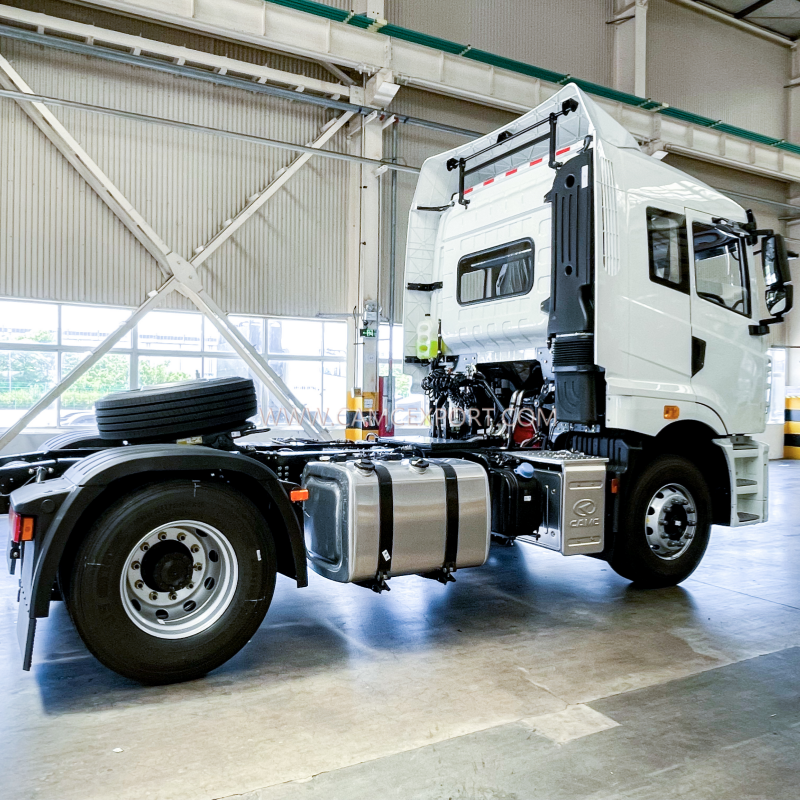
Engine displacement and power output drive long-distance efficiency. Many buyers mistakenly focus only on peak horsepower figures. High torque at low RPMs matters much more for fleet operations. This critical metric ensures steady cruising speeds while burning significantly less fuel. A well-spec'd diesel tractor truck maintains forward momentum effortlessly.
Size your heavy-duty engine correctly. You typically choose between 11L and 15L displacements. Base this engineering decision on your expected GCW. Consider primary route elevation changes very carefully. Heavy loads traversing mountainous terrains demand robust 15L engines. Lighter regional loads perform efficiently utilizing 11L to 13L engine options.
Evaluate Automated Manual Transmissions (AMT) versus traditional manual gearboxes. AMTs currently dominate modern transport fleets for excellent reasons. They standardize fuel efficiency across widely varied driver skill levels. AMTs also reduce physical driver fatigue significantly. They shift gears optimally to keep engine RPMs strictly in the efficient green zone. Drivers can focus entirely on road safety instead of gear selection.
Selecting the correct axle ratio is extremely critical. You must evaluate your primary operational environment. Follow this structured evaluation framework:
Identify primary terrain: Determine if your routes are mostly flat highways or steep gradients.
Select a "fast" ratio: Choose lower numerical ratios (like 2.64 or 2.47) for flat highway cruising. This specific choice saves fuel at higher highway speeds.
Select a "slow" ratio: Choose higher numerical ratios (like 3.55 or 3.70) for mountainous routes. This provides much better climbing power for steep gradients.
Analyze load weight: Heavy-haul operations always require slower ratios to start loads moving easily from a dead stop.
Frame durability dictates the physical lifespan of your transport vehicle. Heavy loaded trailers apply immense torsional stress over thousands of miles. You must specify high-tensile steel frame rails. These reinforced frames resist bending and cracking under extreme physical forces. They provide a rigid, reliable backbone for the entire chassis assembly.
You must evaluate pneumatic air suspension against traditional steel leaf springs. Leaf springs offer rugged mechanical durability and lower initial purchase costs. However, they transfer severe road shocks directly into the main chassis. This harsh vibration damages sensitive palletized freight quickly.
We strongly advocate for rear air suspension in long-haul transport scenarios. Air ride systems protect delicate cargo highly effectively. They reduce overall chassis vibration significantly. This pneumatic system also improves tire lifespan by maintaining consistent, even road contact. Drivers experience much less physical fatigue when riding on smooth air suspension.
Adjustable fifth wheels offer massive daily operational advantages. They aid in optimizing weight distribution perfectly across your axles. Sliding the fifth wheel shifts trailer weight between steering and drive axles. This critical adjustment ensures strict regulatory compliance at highway weigh stations. It also guarantees safe handling dynamics during high-speed highway maneuvers. Proper fifth-wheel positioning prevents front-axle overloading easily.
Driver retention depends heavily on interior cabin quality. Long-distance transport runs demand excellent ergonomics to prevent physical fatigue. High-roof sleeper cabs offer essential standing room inside the truck. They allow drivers to stretch comfortably during mandatory federal rest periods.
Invest heavily in premium air-suspended seating. These specialized seats isolate the driver from harsh continuous road impacts. You must also prioritize optimized NVH interior insulation. NVH stands for Noise, Vibration, and Harshness. Thick acoustic insulation reduces exhausting diesel engine drone. A quiet cabin lowers driver stress levels significantly.
Modern active safety systems protect drivers and expensive cargo simultaneously. You must evaluate several critical lenses during the procurement phase. Consider the following advanced active safety features absolutely mandatory:
Electronic Braking Systems (EBS): They deliver much faster brake response times than traditional pneumatic valves alone.
Lane Departure Warning Systems (LDWS): They alert drowsy drivers drifting out of their designated highway lanes.
Autonomous Emergency Braking (AEBS): They detect stopped traffic ahead and apply brakes independently to prevent rear-end collisions.
Frame these modern safety features strategically. They are not merely simple driver protections. They function as highly powerful risk-mitigation tools. Implementing these advanced systems often lowers your commercial insurance premiums. Safer transport fleets consistently achieve higher overall profitability margins over time.
You must match the truck chassis to the exact haul. Generic specifications rarely deliver optimal financial efficiency. A well-configured trailer head truck completely dominates its specific logistics niche. Let us explore two distinct commercial transport scenarios.
Reefer and dry van operations demand specific aerodynamic optimizations. Emphasize sleek aerodynamic cabin fairings to cut wind resistance sharply. Select highly fuel-efficient axle ratios to maintain high interstate cruising speeds. You also need a heavy-duty, high-capacity alternator. Reliable electrical output powers auxiliary climate control systems effectively across long distances.
Flatbed operations require entirely different mechanical capabilities. Prioritize immense engine braking power to control heavy trailer descents safely. You must demand a highly reinforced double-channel steel chassis. Heavy-duty mechanical suspension components become absolutely mandatory here. These rugged setups handle concentrated point-loads without dangerous sagging.
Do not base final purchasing decisions on specification sheets alone. Evaluate the surrounding commercial support ecosystem rigorously.
Service Network Density: Do not buy without mapping dealership locations thoroughly. Ensure authorized parts networks cover your primary transport corridors completely.
Warranty Terms: Evaluate the exact depth of the OEM powertrain warranty. Look for extended coverage on critical, expensive emission components.
Historical Resale Value: Consider historical secondary market depreciation rates carefully. Strong manufacturer brands retain monetary value better for future fleet trade-ins.
Choosing the right commercial vehicle requires careful mechanical alignment. You must align powertrain, axle ratio, and chassis specifications accurately. These mechanical details must match the harsh physical realities of your route. They must also align perfectly with your lifecycle profitability goals. Haphazard purchasing ruins fleet financial efficiency quickly.
We advise buyers to audit their current route topographies immediately. Calculate your average payload weights accurately across all dispatch trips. Contact trusted regional dealerships to request specific demonstration units. Demand transparent lifecycle operational projections before signing any binding contracts. Actionable, accurate data drives the most profitable procurement decisions.
A: A 6x4 truck features six wheels total, and four are driven. A 4x2 features four wheels total, using only two driven wheels. The 6x4 handles maximum payload limits and tough terrain effortlessly. A 4x2 is lighter, cheaper, and ideal for short-haul urban distribution where extreme traction is completely unnecessary.
A: A highly realistic range falls between 400 and 550 HP. The ideal number depends strictly on total gross weight and route terrain. Heavy loads climbing steep mountainous grades need 500+ HP. Lighter freight moving on flat interstate highways operates efficiently around 400 to 450 HP.
A: The extra drive axle adds mechanical drag and physical chassis weight. This reduces fuel economy slightly compared to single-drive setups. However, modern Automated Manual Transmissions (AMT) optimize gear shifting to save fuel continuously. Aerodynamic cabin designs also offset these physical penalties, making 6x4 trucks surprisingly efficient today.
A: Yes, but it heavily limits your return on investment. Heavy-duty long-haul specs cost significantly more upfront. Using them for local, low-weight distribution wastes their mechanical capabilities entirely. The heavier chassis directly reduces your legal payload capacity for short trips. Regional routes usually benefit more from lighter 4x2 setups.


