 English


| Quantity: | |
|---|---|


H7 4X2
CAMC
The CAMC H7 4 × 2 diesel tractor is a benchmark model specially designed for efficient logistics transportation. It relies on CAMC's mature commercial vehicle manufacturing technology and adopts a 4 × 2 drive layout, combining strong power, excellent fuel economy, and reliable operating performance. It is widely used in various logistics scenarios such as daily industrial product delivery, express logistics, and short distance transportation, accurately balancing efficient transportation and cost control. With comprehensive advantages, it has become the preferred equipment for global logistics users. The car is equipped with a high-performance diesel engine, which provides strong and stable power output. Paired with an efficient gearbox, the gear shifts smoothly and smoothly, achieving a perfect balance between power and fuel consumption. It has excellent fuel consumption performance per 100 kilometers and can significantly reduce fuel costs during long-term operation, meeting the core demand for energy conservation and consumption reduction in the logistics industry; Adopting a lightweight overall frame design, optimizing component layout, effectively reducing the overall weight of the vehicle while enhancing load-bearing capacity. The rated traction mass is suitable for various standard load transportation needs, balancing transportation efficiency and driving safety. The cab adopts a humanized design, equipped with multifunctional seats, intelligent central control system, and optimized NVH sound insulation treatment, greatly improving driving comfort and effectively relieving long-distance driving fatigue; Equipped with a precise steering system and reliable braking system, it is flexible and convenient to operate, and can easily adapt to various road conditions such as urban roads, national highways, and expressways. Even in complex road conditions, it can maintain stable operation. In addition, the vehicle adopts mature manufacturing processes, with reliable core component quality, low failure rate, and easy maintenance, meeting international emission standards and adapting to the operational requirements of most regions around the world. With its comprehensive advantages of high efficiency, economy, reliability, and comfort, it has been widely used in multiple overseas regions, providing efficient and convenient solutions for the logistics and transportation industry.
1. Strong power, efficient and fuel-efficient: Equipped with a high-performance diesel engine, the power output is stable and abundant. Paired with an efficient gearbox, the gear shifts are smooth, the power transmission efficiency is high, and the fuel consumption per 100 kilometers is outstanding. Long term operation can significantly reduce fuel costs and meet the needs of high-frequency logistics transportation.
2. Lightweight design, outstanding load-bearing capacity: Adopting a lightweight overall frame and optimized component layout, effectively reducing the weight of the vehicle while improving load-bearing performance. The rated traction quality is suitable for standard load transportation, balancing efficient transportation and operational economy.
3. Comfortable and convenient, worry free operation and maintenance: Humanized cab design, equipped with multifunctional seats, intelligent central control, optimized NVH sound insulation, excellent driving experience; Flexible steering, reliable braking, adaptable to various road conditions, high-quality core components, low failure rate, and easy maintenance.
4. Compliant and versatile, widely adaptable: in line with international emission standards, it can adapt to the operational requirements of most regions around the world and is widely used in daily industrial product distribution, express logistics, short distance transportation and other scenarios, taking into account various road conditions such as cities, highways, and national roads.
1. The person in charge of a logistics and transportation company in Europe: “We mainly engage in the distribution and transportation of daily industrial products. The CAMC H7 4 × 2 diesel tractor performs very well, with strong power and fuel efficiency. The fuel consumption per 100 kilometers is much lower than the models we previously used, and long-term operation has saved a lot of costs. The lightweight design significantly improves transportation efficiency, provides a comfortable cab, and makes long-distance driving less tiring for drivers. The steering is flexible and stable on city roads and highways, with low failure rates and easy maintenance. It has become the main model of our fleet.”
2. Purchasing Manager of a Southeast Asian express logistics company: “Express logistics has high requirements for transportation efficiency and cost control. This 4 × 2 diesel tractor perfectly meets our needs, with sufficient power, smooth gear shifting, and the ability to quickly complete short distance transportation tasks. The lightweight design reduces weight, improves loading efficiency, and has outstanding fuel economy and compliance with local requirements. It has been running stably and reliably so far, effectively improving our logistics turnover efficiency. We will continue to purchase in bulk in the future.”
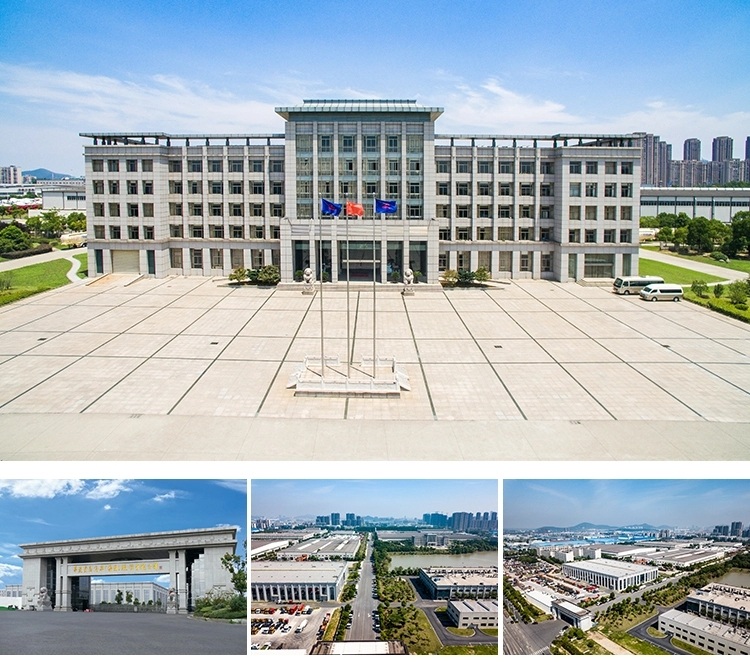
CAMC International Trading Co., Ltd.is a branch company of CAMC, mainly in charge of overseas marketing. CAMC is the national priority production and research development base of heavy trucks, special purpose heavy vehicles and spare parts, which is also the state mainly supports enterprise.Located in Maanshan Economic and Technology Development Zone, Anhui, China, CAMC was found in 1970s and we are the only truck enterprise in China which is capable of producing everything on our own including engine, gearbox, axles, chassis, cabin and so on.Our company is specialized in different kinds of products which can meet your multifarious demands. We adhere to the management principles of "quality first, customer first and credit-based" since the establishment of the company and always do our best to satisfy potential needs of our customers. Our company is sincerely willing to cooperate with enterprises from all over the world in order to realize a win-win situation since the trend of economic globalization has developed with an irresistible force.
For years, CAMC has been doing good and professional work in commercial vehicles. Our product covers a huge scope in this field, like tractor truck, dump truck, concrete mixers, pump truck, cargo truck, garbage truck, crane truck, bulk cement truck, tank-carrying truck, semitrailers and other special vehicles along with different driving form such as 4X2, 6X2, 6X4, 8X4, 10X4. The emission standard covers a range from EURO 2 to EURO 6.Besides,we are convinced that high-quality, systematic, comprehensive and efficient service are the foundation of our career development. With the goal of creating a domestic first-class service enterprise with strict management and advanced technology, we have formulated a "standardized management system, strict process control, guaranteed product management, and quality policy of customer satisfaction, adhered to the far side of customer first, and built good sales and series system, providing customers with high-quality pre-sale, in-sale and after-sale services.
Q:How about the warranty?
A:1 year or 100000km, whichever comes first
Q: Do you have ISO certificate?
A: Yes, we have. Please contact us to get our certificates.
Q: How many units of truck does your factory produce per year?
A: Almost 100000 units. Nearly 8500 units per month.
Q: How do you control the quality of product?
A: Our Factory has standard production workshop and gets ISO CCC BV certificates. Our workers are well trained. Every unit of product undergoes a rigorous inspection process.
Q: How about your product after-sales service system?
A: Our main export countries have accepted after-sales service, some countries use the third party service.
Q: Do you accept custom order? What's is your MOQ order?
A:Yes, we do. Our MOQ is 1 unit.
Q: What's the payment terms?
A: By T/T or L/C at sight.
Q: How about shipment?
A: 20FT container, 40FT container, 40FT high container, open-top container, flat bed container, Ro-Ro ship or bulk ship according to the size the products.


