 English

Views: 0 Author: Site Editor Publish Time: 2026-07-10 Origin: Site


Heavy-duty fleet managers face a critical junction today. Regulatory pressures force an immediate shift toward cleaner vehicle fleets. Yet, you cannot compromise operational reliability on the job site. Construction procurement teams must navigate these new demands carefully.
Upgrading to an electric concrete mixer truck demands thorough evaluation. You must balance high initial capital expenditures against promised lower operating expenses. Furthermore, ESG compliance benefits play a major role in modern contracting. You need objective facts to justify these heavy investments.
This guide breaks down verifiable data on real-world duty cycles. We explore the complex infrastructure requirements necessary for successful deployment. You will learn how to objectively choose between modern diesel and electric platforms for your next major fleet acquisition.
Upfront vs. Lifetime Cost: Electric models require significantly higher CapEx (including infrastructure) but can yield substantial OpEx savings through reduced fuel and maintenance.
Payload Realities: Battery weight in electric trucks can impact maximum concrete payload capacities compared to traditional diesel models.
Ideal Use Cases: Electric mixers excel in urban, short-haul, and noise-restricted environments; diesel remains superior for remote, off-grid, and high-frequency long-haul pours.
Infrastructure Lead Times: Adopting electric requires 6-12 months of site planning for commercial charging infrastructure.
Procurement teams face unprecedented challenges in heavy-duty construction. You must balance stringent emissions regulations against rigid delivery schedules. Agencies like CARB and the EPA continually tighten diesel emission standards. These rules restrict where and how traditional fleets operate. Non-compliance often leads to steep fines or lost municipal contracts. However, concrete delivery allows zero room for downtime or delayed dispatching.
A viable fleet addition must meet baseline operational duty cycles. It must maintain profitable payload minimums across all routes. Furthermore, the vehicle must present a mathematically sound financial model within its operational lifecycle. Evaluating these factors ensures you do not sacrifice profitability for compliance. Fleet managers require robust frameworks to measure success. You must weigh daily productivity against long-term operational costs.
Zero-emission mandates push the industry toward electrification rapidly. Various localized incentives artificially alter the standard purchasing math. Many regions offer substantial grants and tax rebates for zero-emission vehicles. These financial levers make electrification highly attractive on paper. They offset the massive upfront costs associated with modern battery technology. Procurement teams must track these local incentives closely. They often determine whether an electric platform makes fiscal sense for your specific region.
You must evaluate the true operational range of an electric mixer under full load. Concrete delivery demands massive energy reserves beyond simply driving the chassis. The power take-off (PTO) must continuously rotate the drum during transit. This constant rotation prevents the wet concrete from setting prematurely. Drawing energy for the drum significantly depletes the main traction battery. Real-world range drops sharply when navigating heavy urban traffic under full payload.
Contrast this limitation against a traditional diesel concrete mixer truck. Diesel platforms offer virtually unlimited operational flexibility. They rely on dense liquid fuel providing predictable range regardless of PTO usage. Refueling takes mere minutes at any standard fuel island. This quick turnaround allows for continuous back-to-back dispatching throughout a demanding shift. Electric models cannot match this immediate refueling capability yet.
Physics dictates harsh realities for heavy-duty electric commercial vehicles. Heavy lithium-ion battery packs reduce your available gross vehicle weight rating (GVWR). Federal and state bridge laws strictly cap maximum vehicle weights. Every pound of battery translates directly to lost concrete payload capacity. Wet concrete weighs roughly 4,000 pounds per cubic yard. Losing even a fraction of a yard impacts your bottom line.
Identify the maximum allowable GVWR for your specific operating region.
Subtract the empty tare weight of the electric mixer chassis.
Calculate the remaining weight capacity available for wet concrete.
Compare this payload against your existing diesel fleet averages.
You must calculate potential revenue loss per trip. Fewer yards per truck mean dispatching more vehicles to complete large monolithic pours. You need to weigh this lost revenue against potential operational savings. Sometimes the math favors electrification, especially on smaller residential jobs. However, large infrastructure pours often highlight the payload penalty severely.
Electric drivetrains offer distinct advantages regarding raw performance. Electric motors deliver instant torque at zero RPM. This characteristic greatly improves handling on muddy or steep job sites. Drivers gain precise control when creeping over uneven terrain. They do not need to rev the engine to prevent stalling. Instant torque helps free heavy trucks from challenging mud pits.
Traditional diesel engines require constant idling on job sites. They generate significant noise and localized exhaust pollution during the pour. Conversely, electric models feature silent, highly efficient drum operation. Workers can communicate easily without shouting over a roaring diesel engine. This silent operation provides a massive advantage in residential neighborhoods. It also helps secure contracts in strict noise-restricted urban zones.
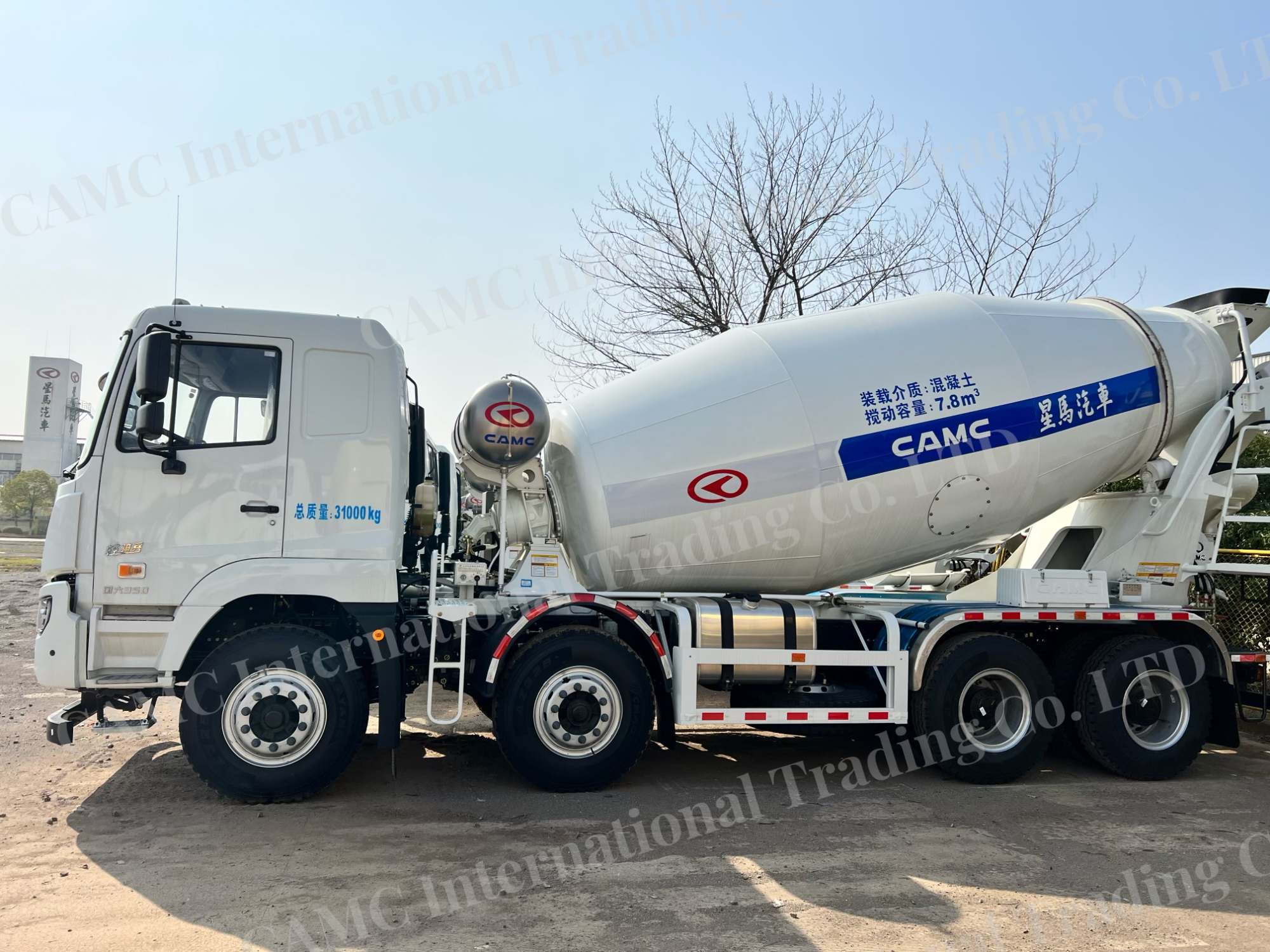
Compare the base purchase prices carefully before committing funds. Electric trucks often cost two to three times more upfront than equivalent diesel models. This massive premium stems primarily from high-capacity battery manufacturing costs. Fleet managers must secure significantly more capital to acquire a single unit. This initial hurdle deters many smaller operators from transitioning quickly.
You must also factor in hidden capital expenditures. Purchasing the truck represents only part of the investment. You need specialized commercial infrastructure to keep them running. Site trenching for high-voltage cables requires expensive permits and labor. Upgrading your local grid connections often incurs massive utility fees. DC fast-charging station installations run into the tens of thousands per unit. These hidden costs frequently catch procurement teams off guard.
Modeling the cost per mile or hour of operation reveals electric advantages. Electricity generally costs less than diesel fuel on a per-mile basis. Electric motors convert energy to motion much more efficiently than internal combustion engines. This efficiency translates to noticeable daily operational savings. However, commercial electricity rates fluctuate based on usage timing and regional policies.
Peak-demand charges can instantly erase your operational savings. Utilities charge massive fees if you draw heavy power during peak grid hours. Fleets must implement smart off-peak depot charging strategies. Charging overnight usually guarantees the lowest possible electricity rates. You must integrate software to throttle charging speeds intelligently. Unmanaged charging often leads to crippling utility bills.
Diesel platforms demand a high frequency of preventative maintenance. They require regular engine oil changes and specialized filters. Furthermore, modern diesel exhaust fluid (DEF) systems cause frequent headaches. Exhaust after-treatment systems often fail under harsh construction environments. These failures force trucks into the shop, disrupting delivery schedules.
Electric models boast significantly fewer moving parts overall. They completely eliminate engine oil, spark plugs, and DEF systems. Regenerative braking dramatically extends the lifespan of traditional brake pads. However, electrification introduces high-cost battery degradation risks. Batteries lose storage capacity slowly over a 7-to-10 year horizon. Replacing a degraded battery pack requires a massive financial outlay.
Fleet Expense Comparison Chart
| Expense Category | Diesel Fleet Profile | Electric Fleet Profile |
|---|---|---|
| Initial Purchase Price | Standard Industry Baseline | 2x to 3x Higher Premium |
| Infrastructure Needs | Standard Fuel Tanks | Grid Upgrades, DC Chargers |
| Routine Maintenance | High (Oil, Filters, DEF) | Low (Software, Coolant) |
| Brake Pad Wear | Accelerated due to weight | Reduced via regeneration |
| Long-Term Risk | Emission System Failures | Battery Degradation |
The technician gap presents a formidable challenge for early adopters. Operating an electric cement mixer truck requires specialized servicing skills. Traditional mechanics cannot safely probe high-voltage architectures. Dealerships require technicians holding specific high-voltage certifications. Diagnostics rely heavily on proprietary software interfaces rather than mechanical intuition. You must invest heavily in retraining your existing workforce.
Familiarity provides the legacy diesel advantage. Older, non-emission-choked systems are universally understood by field mechanics. If a diesel mixer breaks down on site, mechanics can often bypass sensors temporarily. They can bleed fuel lines or swap alternators in the mud. This rugged repairability often saves a critical pour from disaster. A ruined batch of concrete costs thousands in material and demolition fees.
You must evaluate current supply chain maturity carefully. The ubiquitous diesel parts market ensures overnight availability for most components. Filters, belts, and injectors sit on shelves at local suppliers. Conversely, electric heavy-duty truck components face nascent supply chains. A failed inverter or high-voltage relay might require overseas shipping. Extended downtime cripples heavy construction schedules. Secure guaranteed service-level agreements before purchasing electric platforms.
Certain operational profiles strongly favor electrification today. You should target specific environments to maximize your return on investment.
Urban batch plants featuring short, highly predictable delivery routes (under 50 miles round trip).
Projects mandating strict ESG compliance or operating within zero-emission zones.
Municipal contracts requiring silent operation during early morning or late evening pours.
Regions offering massive heavy-duty EV grant funding to offset initial capital costs.
Electric mixers excel when operating from a central, well-equipped charging depot. Short trips allow drivers to top up batteries quickly between loads. Noise reduction proves invaluable when navigating tight residential streets. If your routes match these criteria, electrification offers strong operational benefits.
Traditional diesel platforms remain indispensable for many rugged applications. You should stick with diesel if your operations face specific logistical hurdles.
Rural or infrastructure-poor regions demanding long highway transit times.
Operations requiring high-frequency, back-to-back dispatching where charging downtime breaks the schedule.
Off-grid job sites lacking temporary high-voltage power hookups.
Firms lacking facility ownership required to install permanent trenching and charging depots.
Diesel provides unmatched flexibility when schedules become chaotic. You can reroute a diesel truck mid-shift without worrying about range anxiety. Leasing yards or renting batch plant space often prohibits installing permanent DC fast chargers. In these scenarios, diesel remains the only logical choice.
The choice between diesel and electric platforms is rarely about finding a universally "better" technology. Instead, you must align vehicle capabilities with your specific route profiles. Capital structure and facility ownership dictate your ability to support charging infrastructure. Diesel offers rugged flexibility and low entry costs. Electric models provide silent operation and lower daily running costs if managed correctly.
Begin your procurement journey by auditing your current fleet data. Track daily mileage averages and peak dispatch frequencies carefully. Next, calculate your local utility's commercial electricity rates across different times of day. Finally, consult utility providers regarding your depot's grid capacity before issuing any formal RFP. These concrete steps ensure you make decisions rooted in operational reality.
A: Most modern designs draw power via an electric PTO from the main traction battery. A dedicated electric motor turns the drum, eliminating hydraulics. This setup provides excellent rotational control but directly impacts overall driving range. The main battery depletes faster when keeping concrete agitated during long transit times.
A: Freezing temperatures significantly drop battery efficiency. Cold weather slows down internal battery chemistry, reducing available range. Additionally, the truck must expend stored energy to run active thermal management systems. Heating the battery pack and the driver's cabin draws heavy power, which further limits the vehicle's effective operational radius.
A: Yes. The industry continues researching hydrogen fuel cell heavy-duty trucks. Hydrogen offers zero emissions while mimicking diesel's rapid refueling times. However, hydrogen fueling infrastructure remains extremely scarce. Many fleets also use renewable diesel (HVO) as a transitional step to lower emissions immediately using existing internal combustion engines.


