 English

Views: 0 Author: Site Editor Publish Time: 2026-07-12 Origin: Site


Construction fleets face immense dual pressures in today's demanding market. Tightening urban emission regulations actively restrict heavy vehicle access to lucrative city centers. Furthermore, volatile diesel fuel costs constantly disrupt profit margins, making accurate project forecasting difficult. Traditional diesel mixers have long served as the baseline industry standard for ready-mix transport. However, recent advancements in heavy-duty EV technology offer compelling new solutions.
Integrating large-scale battery systems makes the electric concrete mixer truck a highly viable alternative. It delivers substantial operational savings for specific, predictable delivery routes. Fleet managers and procurement officers must carefully weigh multiple variables before initiating a transition. Upgrading a commercial fleet requires deep logistical analysis.
This guide breaks down lifecycle expenses, performance realities, and vital infrastructure prerequisites. We explore the structural changes required for heavy electrification. You will learn how to accurately determine if an electric transition makes commercial sense for your operations.
TCO Shift: Upfront premiums for electric mixers are offset by 40-60% reductions in fuel and drivetrain maintenance costs over a 5-year lifecycle.
Urban Advantage: Zero-tailpipe emissions and drastically reduced operational noise allow for 24/7 urban operation, bypassing nighttime noise curfews.
Infrastructure Dependency: Successful deployment requires upfront site analysis for Level 3 DC fast-charging capacity and route predictability.
Strategic Flexibility: Specialized variants, like the self-loading concrete mixer truck, are emerging as high-ROI solutions for decentralized or remote infrastructure projects.
Buyers immediately notice the higher initial capital expenditure (CapEx) during procurement. Purchasing battery-powered heavy equipment requires a significant upfront investment. However, you must model the break-even point accurately using local utility data. Compare your local commercial electricity rates against highly volatile diesel fuel averages. Over time, the financial advantage becomes undeniably clear. Electricity generally costs significantly less per mile than fossil fuels. Your long-term operational savings often eclipse the initial purchase premium within several years. You essentially prepay for your energy supply when buying the high-capacity battery pack.
Maintenance realities provide another major financial advantage for electric fleets. Traditional diesel engines require constant, expensive mechanical upkeep. Mechanics must perform regular oil changes and lubricate hundreds of moving parts. Fleets constantly replace clogged Diesel Particulate Filters (DPF). You also purchase endless gallons of Diesel Exhaust Fluid (DEF) to remain compliant. An electric heavy-duty chassis eliminates these specific needs entirely. They lack complex internal combustion engine components. Electric powertrains reduce transmission wear significantly through direct-drive mechanisms. Fewer moving parts mean less overall downtime. Your maintenance crew spends far less time on routine services.
Constant stop-and-go traffic defines typical urban construction transport. Trucks travel slowly from the central batch plant directly to the crowded job site. This specific driving pattern normally ruins diesel fuel efficiency. However, electric fleets use this exact scenario to their advantage. They utilize regenerative braking technologies during transit. Each time the driver applies the brakes, the electric motor reverses its function. It captures kinetic energy and feeds it directly back into the battery cells. Dense traffic zones actually improve your daily energy recapture rates. This continuous regeneration process drastically lowers your cost-per-trip in metropolitan areas.
| Expense Category | Traditional Diesel Mixer | Battery-Electric Mixer |
|---|---|---|
| Fuel Source | High-cost, volatile diesel fluid | Stable, lower-cost grid electricity |
| Routine Maintenance | Frequent (Oil, Filters, DEF fluid) | Minimal (Coolant checks, Brake pads) |
| Brake Wear | High (Heavy mechanical braking in cities) | Low (Regenerative braking heavily used) |
| Idle Costs | High fuel burn during traffic delays | Near zero energy draw when stopped |
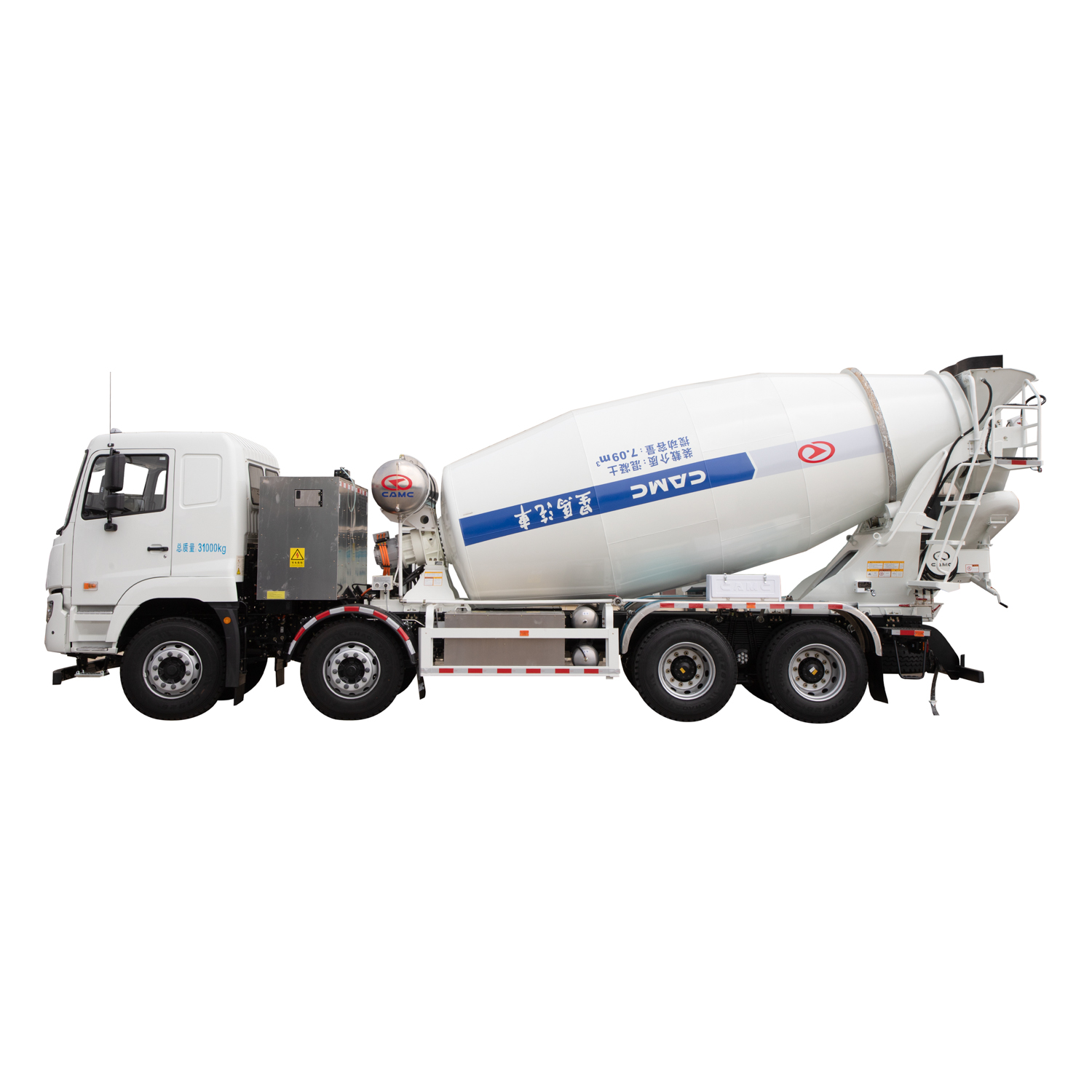
Major municipalities globally continue phasing in aggressive Low Emission Zones (LEZs). City planners strictly regulate heavy industrial polluters in expanding urban centers. Older diesel trucks face hefty daily fines when entering these restricted zones. Some progressive cities plan to ban traditional heavy fleets entirely within the decade. Deploying an electric cement mixer truck solves this pressing logistical problem immediately. It actively prevents future-proofing penalties and regulatory fines. You secure unrestricted access to lucrative downtown commercial development sites. Early technology adopters gain a massive competitive edge in these restricted regions.
We must also carefully consider the immense noise reduction factor. Traditional diesel trucks generate deafening noise levels during standard operation. Massive mixing drums compound this unavoidable industrial racket. Electric drum rotation flips this dynamic completely. EV trucks operate with a quiet, steady hum. Less noise becomes a major commercial advantage for ambitious contractors. You can easily secure local permits for nighttime continuous pours. Early morning operations in dense residential zones finally become possible. Hospital expansions and school renovations often require strict acoustic control. Quiet equipment accelerates your project timelines substantially by expanding allowable working hours.
Corporate environmental standards now heavily dictate construction procurement protocols. General contractors must meet strict Environmental, Social, and Governance (ESG) targets. Utilizing electric heavy machinery clearly sets your bids apart from legacy competitors. Contractors win lucrative government infrastructure projects by demonstrating lower lifecycle emissions. Large corporate developers demand strict Scope 1 emission reductions across their supply chains. A zero-emission fleet tangibly proves your commitment to sustainable building practices. This green bidding advantage translates directly into accelerated revenue growth. You capture crucial market share from competitors running outdated, heavily polluting fleets.
Skeptical buyers often question the inevitable weight trade-off. Heavy EV batteries undoubtedly add considerable tare weight to the empty chassis. Highway regulations strictly enforce maximum legal gross vehicle weight limits. Heavier trucks historically meant hauling less usable concrete per trip. This restriction directly impacts your daily revenue per vehicle. However, manufacturers actively offset this battery penalty through intelligent engineering. They utilize advanced lightweight drum materials to reduce top-heavy burdens. High-strength aluminum and advanced alloy drums reduce overall chassis weight. These engineering improvements protect your legal payload capacities effectively. You haul the necessary volume without exceeding strict highway limits.
Shift range causes valid operational anxiety for modern fleet managers. The onboard battery pack handles massive dual power demands. It must propel the incredibly heavy chassis through congested city traffic. It must also power the continuous electric Power Take-Off (ePTO) module. The mixing drum requires constant rotation to prevent the concrete from curing mid-trip. These dual demands drain batteries much faster than simple parcel delivery trucks. Most urban operations successfully achieve a 100-150 mile radius per full charge. This safely covers standard daily batch plant delivery loops.
Extreme environmental temperatures undeniably affect chemical battery efficiency. Cold weather impacts the internal reactions inside lithium-ion cells. Winter conditions temporarily reduce your effective driving range. You must also manage concrete slump characteristics carefully during freezing conditions. Frigid temperatures change how the dense mix behaves inside the steel drum. Manufacturers incorporate necessary thermal management systems to counter this. Advanced liquid heating loops keep battery cells at optimal operating temperatures. You must account for this extra energy draw during peak winter months.
Charge the vehicle opportunistically during every loading cycle at the batch plant.
Pre-condition the battery cabin temperature before unplugging from the morning charge.
Train drivers to maximize regenerative braking in stop-and-go city traffic.
Monitor PTO energy consumption carefully during extended stationary pouring events.
Remote infrastructure projects present entirely unique logistical challenges. Ready-mix batch plants are often located much too far away. Concrete risks premature curing during excessively long highway transit times. We introduce the self-loading concrete mixer truck as the ideal off-grid solution. It serves as the ultimate "build-vs-buy" heavy equipment choice. You bring the entire production process directly to the remote job site. This bypasses long highway travel and delayed deliveries completely. Decentralized on-site production keeps your rural project moving smoothly.
These highly specialized vehicles provide incredible operational independence. Self-loading models successfully automate several critical production steps. They handle weighing, mixing, and pouring right on the dirt site. The machine actively scoops raw aggregate and dry cement independently. An onboard computer ensures precise mix ratios for optimal structural integrity. You severely reduce your reliance on vulnerable third-party supply chains. Weather delays at the regional plant no longer halt your scheduled work. Your site crew controls the exact timing of every single pour. This independence boosts daily productivity metrics substantially across the board.
The heavy electrification trend extends directly into these self-loading models too. Manufacturers successfully integrate battery-electric power into modern self-loading equipment. Tunnel construction heavily benefits from this critical technological shift. Deep mining operations absolutely require zero-emission machinery underground. Enclosed-space pouring makes diesel exhaust a severe, life-threatening safety hazard. Electric self-loaders eliminate toxic fumes entirely from the tunnel atmosphere. They protect worker respiratory health in poorly ventilated subterranean environments. You completely avoid deploying expensive temporary ventilation fan systems. Workplace safety and production efficiency improve simultaneously.
You cannot simply buy the electric truck and expect instant success. You must assess your yard infrastructure thoroughly before signing purchase orders. Grid capacity dictates your true daily charging potential. Outline your incoming power needs with local utility providers very early. Ensure the central batch plant can handle massive multi-megawatt charging loads. Parking depots usually require extensive electrical panel upgrades to support commercial chargers. Fast-charging multiple heavy vehicles demands incredible sustained amperage. Upgrading local transformers takes considerable time and significant capital investment. Plan these complex infrastructure upgrades long before actual vehicle delivery.
Electric mixers thrive on highly predictable, fixed-radius delivery routes. You must conduct a thorough route predictability analysis today. Map out your precise average daily trip distances. Ensure they fit comfortably within a single guaranteed charge cycle. Dispatchers must completely understand the vehicle's exact range limits. Unpredictable cross-county hauls suit traditional diesel trucks much better. However, repetitive urban loops fit electric performance profiles perfectly. Analyzing existing telematics data helps identify the absolute best routes. Match the new technology to the correct operational profile.
We highly recommend utilizing pilot programs and phased fleet rollouts. Do not attempt to replace the entire fleet overnight. Start with a conservative one or two-vehicle pilot initiative. Use this critical testing phase to benchmark actual power consumption. Compare your real field results against the manufacturer's efficiency claims. Train your dispatchers and drivers comprehensively on the new digital systems. Identify any hidden charging bottlenecks in your daily operations early. A phased approach actively minimizes large-scale operational risks. You scale up procurement only after successfully proving the concept locally.
Contact local utility providers to audit current depot power capacity.
Install high-capacity Level 3 DC fast chargers near the aggregate loading zones.
Analyze one month of GPS telematics data to identify short, repetitive routes.
Train all maintenance staff thoroughly on high-voltage safety protocols.
The steady shift toward heavy equipment electrification is accelerating rapidly. It is no longer just a corporate environmental PR move. Transitioning your fleet is a carefully calculated operational upgrade. You achieve substantial daily cost reductions through cheaper energy and minimal maintenance. You also ensure absolute compliance with incoming urban emissions regulations. Fleet shortlisting logic remains incredibly straightforward for modern managers. Operational success depends entirely on aligning several specific variables. You must carefully balance payload requirements, route distances, and localized charging infrastructure. Evaluate your immediate regional construction demands today. Request a detailed financial analysis based on your specific routes. Schedule a consultation for a site energy audit soon. Explore the available zero-emission and self-loading inventory. Act decisively to future-proof your valuable construction fleet.
A: Level 3 DC fast charging provides the most efficient solution for heavy fleets. These powerful stations typically deliver a full charge in 1.5 to 2 hours. Smart fleet managers emphasize opportunistic charging protocols. Drivers plug the vehicle in while waiting at the batch plant. Short charging bursts during loading keep the battery topped up all day. This strategy prevents mid-shift depletion and maximizes truck availability.
A: High-capacity battery packs are undeniably heavy. This extra tare weight can slightly reduce volumetric capacity under strict highway weight limits. However, advancements in modern chassis design are rapidly narrowing this gap. Manufacturers utilize high-strength, lightweight aluminum alloys for the mixing drum. These intelligent weight savings offset the heavy battery pack. You maintain highly competitive payload sizes while enjoying zero-emission benefits.
A: Modern designs efficiently manage stationary power demands. They utilize dual-motor setups or integrated electric Power Take-Off (ePTO) systems. The ePTO spins the mixing drum independently during traffic delays or stationary pouring. This consumes minimal electrical energy compared to idling a massive diesel engine. Your primary drive battery retains plenty of charge for the safe return trip to the plant.


