 English


| Quantity: | |
|---|---|


GS14M
CAMC
/
Product Description
The CAMC GS14M series 6-cylinder marine methanol engine is an industry-leading green and clean marine power unit, carefully crafted with mature power equipment manufacturing processes, specifically tailored for the main propulsion systems of heavy-duty multi-purpose transport ships, coastal workboats, and other ship types. Focusing on the energy replacement and upgrading needs of inland and coastal ships, it has become the preferred marine power equipment for the global shipping industry's green and low-carbon transformation, thanks to its comprehensive advantages of cleanliness, efficiency, strong power, stable operation, and safety and reliability. This model uses M100 pure methanol as the core fuel, completely eliminating dependence on traditional fossil fuels and deeply fitting the international trend of low-carbon and environmentally friendly shipping development; The equipment integrates cutting-edge technologies such as intake turbocharging, intercooler technology, and stoichiometric air-fuel ratio closed-loop control, optimizing the combustion system and intelligent control strategy from the bottom, effectively solving the pain points of methanol fuel combustion, and balancing high-performance power output and low-energy consumption performance. Compared to traditional marine diesel engines, this engine significantly reduces carbon emissions, with sulfur oxide and nitrogen oxide emissions almost zero, truly achieving a low consumption, zero pollution, and green environmental protection ship operation mode. While ensuring stable and strong propulsion power for heavy transport ships and coastal operation ships, it perfectly balances strong power performance with excellent environmental benefits, accurately adapts to the energy substitution needs of inland ships and the green upgrading needs of coastal ships, and provides reliable clean energy power solutions for global shipping companies' low-carbon transformation and compliant operation.

1. Green and clean power, compliant global shipping: driven by M100 pure methanol fuel, completely replacing traditional fuel, with almost zero emissions of sulfur oxides and nitrogen oxides, significantly reducing carbon emissions, perfectly adapting to the global low-carbon environmental protection regulations for ships and the trend of green transformation in shipping.
2. Advanced combustion technology, efficient and stable output: equipped with intake turbocharging, intercooler system and air-fuel ratio closed-loop control technology, optimizing the combustion logic of methanol fuel, solving the shortcomings of methanol power combustion, strong and stable power output, and significantly reducing comprehensive energy consumption.
3. Exclusive ship adaptation, reliable heavy-duty conditions: specially developed for heavy-duty multi-purpose transport ships and coastal work ship owners' propulsion systems, suitable for various inland and coastal ship operating conditions, with sufficient power reserves and low failure rates for smooth operation.
4. Mature and durable craftsmanship, high comprehensive cost-effectiveness: Built on mature power manufacturing technology, the whole machine has a solid structure, strong adaptability to working conditions, stable and reliable long-term high load operation, and balances power performance, environmental value, and operational economy.
1. Southeast Asian coastal shipping operator: “Currently, international shipping environmental audits are becoming increasingly strict, and the CAMC GS14M methanol marine engine perfectly solves our compliance challenges. Pure methanol fuel is clean and environmentally friendly, with almost zero harmful emissions, fully complying with local ship environmental standards. Advanced combustion control technology ensures stable and strong power output, fully meeting the heavy load navigation needs of coastal transport ships. With excellent energy consumption performance, it is the core power equipment for our fleet's green upgrade. ”
2. Middle Eastern ship equipment purchaser: “Our main business is the operation of multi-purpose transport ships. This 6-cylinder methanol engine has outstanding comprehensive advantages, replacing traditional fuel and significantly reducing operating costs. Turbocharging technology ensures sufficient power and is not afraid of complex sea conditions. The whole machine runs stably and has strong durability, zero pollution emissions, and helps the fleet to sail in compliance. It is a high-quality choice for upgrading the power of inland and coastal ships. ”
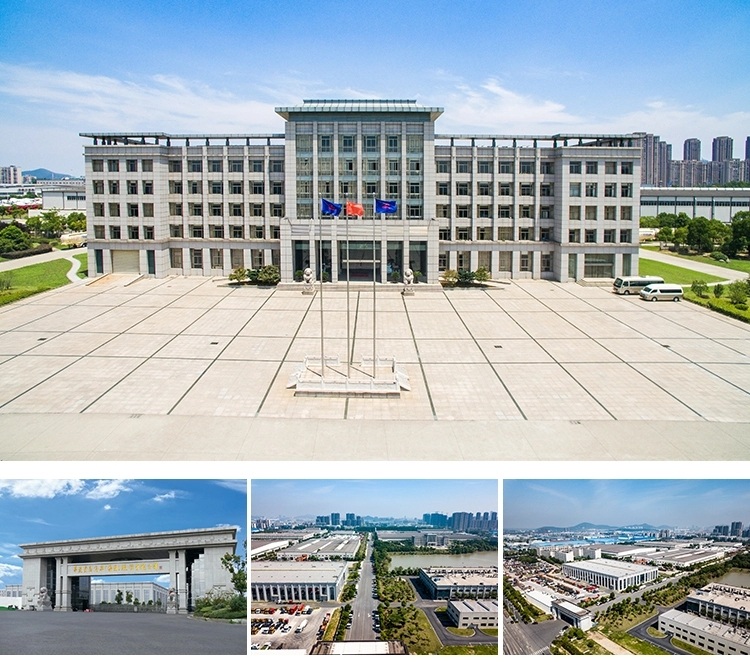
CAMC International, affiliated with the state-owned enterprise State Machinery Group and the China International Engineering Corporation, is a core state-owned manufacturing and export enterprise in the field of heavy commercial vehicles and high-end marine power in China. Relying on decades of professional intelligent manufacturing accumulation and national level technology research and development platform advantages, the company, as a national key heavy vehicle, special equipment and core power component research and development production base, deeply cultivates the whole vehicle and power equipment track, and leads the industry quality standards and technological iteration for a long time. It is a benchmark backbone enterprise for China's high-end equipment manufacturing to go global.
The company possesses the industry's scarce * * full industry chain independent and controllable core capabilities * *, and is the only commercial vehicle manufacturing enterprise in China that can independently complete the research, production, and assembly of core assemblies such as engines, transmissions, axles, chassis, and driver's cab. From precision machining of core components, power system tuning to vehicle integration and debugging, we achieve full process independent control, ensuring product stability, delivery timeliness, and customized adaptability from the source, and building an industry competitive barrier that is difficult to replicate.
Relying on the innovation empowerment of national level enterprise technology centers, the company has formed a dual core product matrix of * * commercial vehicles+marine power * *, with comprehensive coverage of all scenarios and working conditions. The vehicle sector covers a full range of commercial vehicles, including heavy-duty diesel tractors, engineering dump trucks, concrete mixer trucks, CNG clean energy vehicles, pure electric heavy-duty trucks, and electric dock tractors. It is compatible with multiple drive forms and full gradient emission standards, meeting diverse scenarios such as logistics trunk lines, mining infrastructure, port transportation, and urban green transportation. The power sector is deeply engaged in the field of high-end marine engines, independently developing new generation green marine power products such as six cylinder methanol fuel marine engines and turbocharged diesel marine engines, which are suitable for the main propulsion and auxiliary power generation needs of various inland and coastal ships, and are in line with the global trend of low-carbon compliance in shipping.
Adhering to the dual track development strategy of technological innovation and green transformation, the company continues to break through core technologies in new energy, clean energy, and intelligent control, focusing on the layout of green power tracks such as methanol fuel and pure electric vehicles, promoting the upgrading of commercial vehicles and marine power equipment to low-carbon, intelligent, and efficient. The entire range of products can adapt to international maritime, overseas environmental protection, and access standards, and have strong global adaptability and compliance to working conditions.
Based on the global layout, CAMC International has been deeply involved in overseas markets for many years. Its marketing and service network covers more than 80 countries and regions around the world. It is deeply rooted in the core market of the "the Belt and Road". With stable and reliable product quality, ultra-high comprehensive cost performance ratio and low operation and maintenance costs, it has accumulated a deep brand reputation and stable global customer resources. In the future, the company will continue to focus on technological innovation and quality service as the cornerstone, continuously output high-quality Chinese intelligent manufacturing equipment, provide one-stop customized solutions for customers in the global transportation, engineering, and shipping fields, and deepen mutually beneficial cooperation worldwide.
Q1: What are the core advantages of CAMC six-cylinder marine methanol engine compared with traditional diesel marine engines?
CAMC six-cylinder marine methanol engine is a new-generation green marine power independently developed for low-carbon shipping trends. Adopting pure M100 methanol fuel, it achieves near-zero emissions of particulate matter and sulfur oxides, with greatly reduced NOx and CO₂ emissions, fully complying with IMO international marine environmental regulations and global port emission limits. Compared with diesel engines, it features lower comprehensive operating costs, milder combustion, less wear and tear, longer service life, and no need for complex post-treatment systems, making it the ideal upgraded power for green vessel transformation.
Q2: Does methanol fuel lead to insufficient power or poor sailing performance?
No power shortage at all. This six-cylinder engine is equipped with professional turbocharging and intercooling technology, matched with an intelligent fuel injection and combustion control system. It realizes sufficient air-fuel mixing and efficient combustion, maintaining stable high torque output at low and medium speeds. It delivers strong load resistance and excellent climbing and anti-wave performance, fully meeting the power demands of inland river cargo ships, fishing boats, engineering vessels and coastal transport ships under full-load and complex sea conditions.
Q3: Is methanol fuel safe for long-term marine operation?
The engine adopts mature and safe low-pressure methanol injection technology, with a simpler and more stable fuel supply structure than high-pressure fuel systems. Equipped with dedicated marine-level anti-leakage, explosion-proof and over-temperature protection devices, it effectively avoids fuel leakage risks. Meanwhile, methanol features low volatility and no open-flame spontaneous combustion risk, with higher overall safety than traditional diesel and LNG power systems, perfectly adapting to closed and humid marine working environments.
Q4: What vessel types and scenarios is this engine suitable for?
Tailored for marine professional scenarios, the six-cylinder methanol engine has wide applicability. It can be used as main propulsion power or auxiliary generator unit, widely applicable to inland river transport vessels, coastal cargo ships, fishing boats, port engineering ships, tugboats and tourist vessels. It adapts to long-distance continuous navigation, frequent start-stop and variable-load operation, perfectly matching daily high-intensity working demands of various ships.
Q5: How about the fuel economy and operating cost of methanol power?
Methanol has lower unit fuel cost than diesel oil. With optimized precise combustion control technology, the engine maintains low fuel consumption under variable marine loads. In addition, methanol combustion produces no carbon deposition, effectively reducing wear of internal engine parts. It eliminates frequent maintenance of post-treatment components, greatly lowering daily fuel costs and long-term fleet maintenance expenses, bringing significant economic benefits for ship owners.
Q6: Does the engine meet international marine emission standards and certification requirements?
Yes. The engine is manufactured in strict accordance with international marine industry specifications, meeting IMO marine emission standards and mainstream regional port environmental access requirements. It can pass various ship inspections smoothly and supports customized technical adaptation and certification matching for different national and regional markets, ensuring legal and compliant global navigation operation.
Q7: What are the maintenance features and after-sales guarantee of the methanol marine engine?
This six-cylinder methanol engine adopts a simplified and reliable structural design with fewer vulnerable parts and stable overall performance. No special lubricant additives are required for operation, and daily maintenance is simple and convenient with a long maintenance cycle. We provide complete whole-machine warranty and extended warranty services for core components, together with long-term original spare parts supply and professional marine power technical guidance, ensuring long-term stable and reliable operation of vessels.


