 English

Views: 0 Author: Site Editor Publish Time: 2026-07-02 Origin: Site


Fleet operators face compounding pressures today. Tightening global emission mandates demand immediate attention from logistics executives. Frameworks like stringent EPA standards, Euro 6 limits, and BS6 regulations force rapid operational changes across the industry. Governments no longer tolerate heavy particulate pollution. Meanwhile, unpredictable operational costs create harsh financial realities for carriers. Upgrading a heavy-duty fleet requires balancing massive upfront capital expenditure against long-term fuel savings. You must also evaluate daily route feasibility carefully before committing to new technologies. We will provide a clinical, data-driven comparison between legacy fuels and compressed natural gas (CNG). You will learn exactly how these power systems differ structurally, mechanically, and financially. This comprehensive guide helps fleet buyers make commercially sound procurement decisions. You can safeguard your profit margins while remaining compliant.
Application Dictates Fuel: Diesel remains the standard for irregular, long-haul routes; CNG excels in regional, hub-and-spoke operations with established refueling infrastructure.
TCO Break-Even Analysis: CNG trucks require higher initial capital but can offset costs through lower, more stable fuel prices and government grants over a 4-to-6-year lifecycle.
Maintenance Trade-offs: CNG bypasses complex diesel aftertreatment systems (DPF/DEF) but requires stricter spark plug and tank valve maintenance schedules.
Payload & Range Compromises: CNG systems are heavier and have lower energy density, which can marginally reduce maximum payload capacity and require more frequent refueling stops.
We must first understand why traditional combustion engines dominate the global logistics sector. The modern diesel tractor head truck sets the ultimate performance baseline for commercial freight. It handles highly unpredictable routes and extreme payload capacities efficiently. Fleet managers rely heavily on this legacy technology for its robust mechanical consistency. It remains the industry default for very practical reasons. Drivers know exactly what to expect from these powertrains.
Heavy hauling requires immense raw pulling power. Traditional engines generate massive torque at incredibly low engine RPMs. This unique mechanical advantage makes them universally reliable. They handle maximum-capacity hauling over steep mountain grades effortlessly. Drivers rarely experience dangerous power drops when accelerating heavy trailers from a dead stop. You get consistent, aggressive mechanical feedback under heavy strain. The engine pulls smoothly without requiring constant gear shifting. This translates to less driver fatigue on long routes.
Range anxiety simply does not exist for traditional freight routes. Liquid combustion fuel offers unmatched energy density per gallon. Commercial truck stops exist everywhere across extensive national highway networks. Cross-country logistics depend entirely on this universal fuel availability. A driver can traverse multiple states without planning complex refueling stops in advance. This incredible operational flexibility keeps dispatchers agile. They can reroute loads instantly without worrying about fuel station compatibility.
However, legacy fuel systems carry heavy and expensive regulatory burdens. Emission standards have grown incredibly strict globally over the last decade. Fleet owners face increasing financial costs from complex aftertreatment maintenance. You must actively manage Diesel Particulate Filters (DPF) and Diesel Exhaust Fluid (DEF) systems daily. These sensitive components cause frequent and expensive maintenance downtime. Common mistakes include ignoring automatic DPF regeneration cycles. This negligence severely damages the ceramic filter structure. Replacing a clogged filter costs thousands of dollars.
Fuel expenses often consume major portions of annual operational budgets. Fleets have extremely high exposure to unpredictable global crude oil markets. Price fluctuations directly squeeze your profit margins continuously. A sudden geopolitical event can spike fuel prices overnight. You cannot accurately forecast operational expenditures when commodity prices remain volatile. This inherent economic instability pushes forward-thinking fleets toward alternative power sources. You need predictability to secure long-term freight contracts.
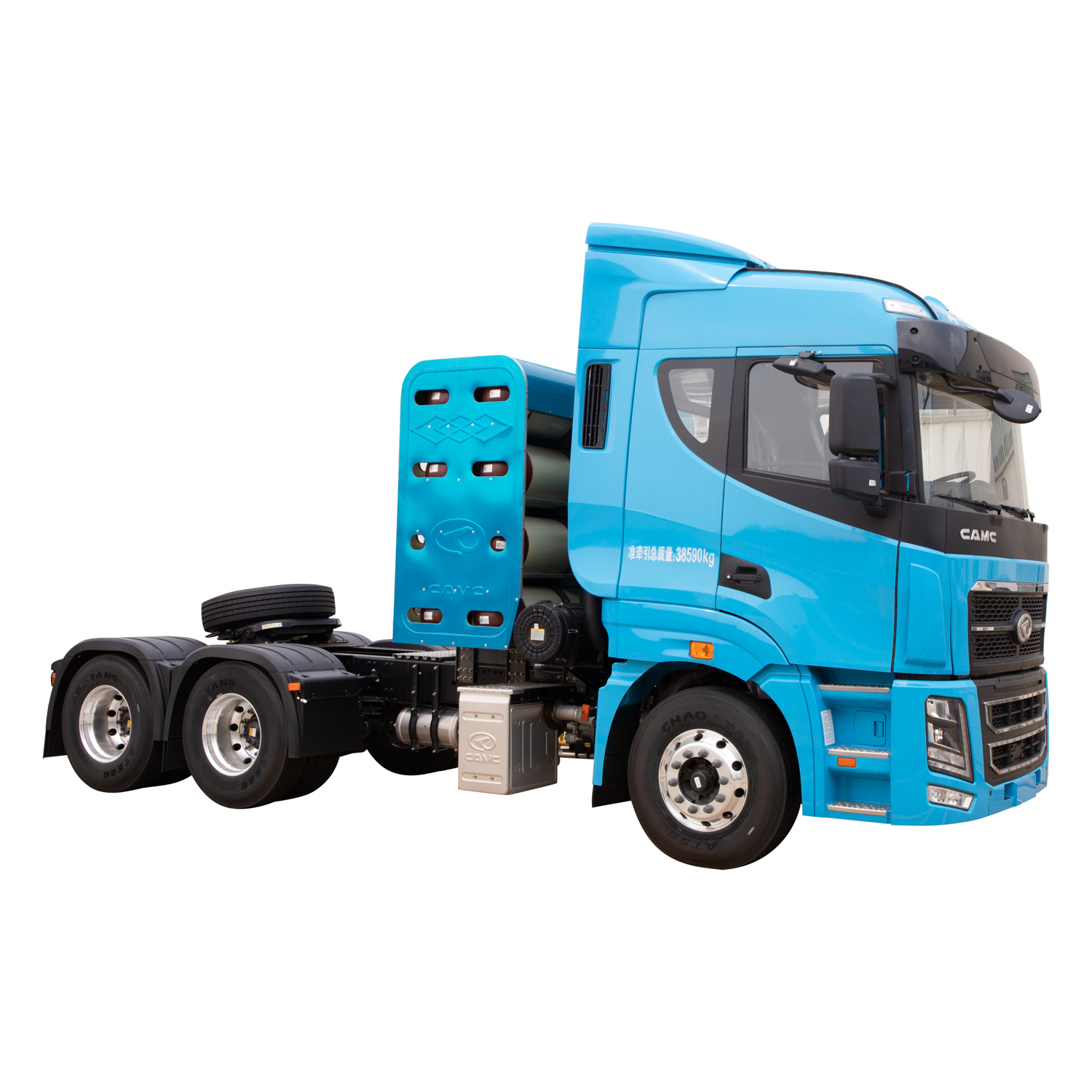
Natural gas offers a compelling alternative for specific, highly controlled operational profiles. A well-deployed CNG tractor truck mitigates many environmental and economic risks successfully. We must demystify its actual capabilities to isolate ideal use cases. It is not a direct drop-in replacement for every freight route. You need a targeted, data-backed deployment strategy. Proper integration requires careful logistical planning.
Corporate sustainability goals drive alternative fuel adoption today. Natural gas provides a significant reduction in harmful nitrogen oxides (NOx) and airborne particulate matter. It helps heavy fleets meet strict environmental, social, and governance (ESG) mandates easily. You can achieve net-negative carbon footprints if you leverage Renewable Natural Gas (RNG). RNG captures destructive methane from agricultural waste and commercial landfills. This presents a massive environmental victory for eco-conscious logistics companies.
Financial predictability separates natural gas from crude oil derivatives completely. Natural gas commodity pricing remains historically lower and far less volatile. Domestic extraction insulates the fuel supply from international geopolitical shocks. You can lock in long-term fuel contracts at guaranteed fixed rates. This price stability allows for highly accurate long-term operational forecasting. Procurement teams love this budgetary predictability when pitching multi-year freight rates to shippers.
We must acknowledge the severe limitations of public alternative fueling networks. A natural gas vehicle relies heavily on strict "return-to-base" refueling models. You might also operate along established regional refueling corridors. Irregular route planning becomes highly restrictive and risky. Dispatchers cannot randomly reroute a driver without verifying station compatibility first. Lack of infrastructure planning remains a very common operational mistake for new adopters.
Real-world environments test alternative fuels quite harshly. Severe cold weather operations present unique physical challenges. Compressed gas pressure inherently drops when ambient temperatures fall below freezing. Drivers might experience noticeably slower fueling times in winter months. Furthermore, maintenance requires specialized heated facility upgrades. Shops must install advanced ventilation and fast-acting methane detection sensors. You cannot service these vehicles in standard, unmodified bays safely. Doing so violates critical fire safety codes.
We must examine the hardware side-by-side to make commercially sound decisions. A standard 6X4 tractor truck platform reveals clear financial and mechanical contrasts between fuel types. You need to calculate the direct impacts on daily freight capacity and shop time. Do not assume parity between different engine builds. The physical characteristics alter how you conduct daily business.
Alternative fuel engines carry steep premium pricing initially. Heavy reinforced fuel tanks add considerable manufacturing expense to the chassis. However, commercial fleets rarely pay the full retail sticker price. Available state and federal emission reduction grants offset these premiums heavily. You must aggressively pursue these subsidies during the early procurement phase. Grant funding often equalizes the upfront capital required, making the investment highly attractive.
Fuel storage density directly dictates total vehicle weight. Compressed gas requires thick, carbon-fiber or heavy steel reinforced cylinders. These bulky storage systems often add 1,000 or more pounds to the truck chassis. You must calculate the exact opportunity cost of this heavier storage system. Strict legal gross vehicle weight limits remain absolute on public highways. You will lose some maximum payload capacity compared to legacy models. High-density freight carriers feel this weight penalty the most.
| Performance Indicator | Legacy Liquid Engines | Compressed Gas Engines |
|---|---|---|
| Fuel Energy Density | Extremely high per gallon | Moderate (Requires heavy, pressurized tank banks) |
| Primary Maintenance Focus | DPF cleaning, DEF systems, Fuel injectors | Spark plugs, Specialized oil intervals, Valve checks |
| Average Secondary Market | Global reach, high universal demand | Regional demand, limited niche buyers |
| Cold Weather Impact | Fuel gelling risks without chemical additives | Significant pressure drops, slower filling times |
Shop schedules look drastically different depending on the specific powertrain. Each mechanical system has unique vulnerabilities over a five-year lifecycle. Understanding these realities prevents budgetary surprises.
Legacy Hardware: You face incredibly high costs tied to complex emission system failures. DPF cleaning and frequent injector wear disrupt operations constantly. Mechanics spend hours diagnosing sensitive aftertreatment sensors. These systems require constant monitoring to prevent catastrophic engine derating events.
Natural Gas Hardware: You save substantial money by completely bypassing complex aftertreatment systems. However, these savings cancel out elsewhere in the engine block. You face much shorter spark plug replacement intervals due to higher combustion temperatures. The engine demands specialized low-ash motor oil. You must also perform mandatory periodic high-pressure fuel tank inspections safely.
Secondary markets heavily dictate final asset recovery values. Traditional heavy-duty engines boast proven, reliable million-mile lifecycles. They possess a massive, robust secondary market worldwide. Used asset buyers trust the technology implicitly. Conversely, alternative fuel assets face a much smaller pool of secondary buyers. You might struggle to offload used inventory without taking larger depreciation hits. Regional infrastructure limits who can realistically buy your used trucks.
Decision-makers need a clear, logical shortlisting logic. You cannot base expensive procurement on environmental sentiment alone. Use this structured approach to vet your fleet's true readiness. We recommend taking these sequential steps before issuing any formal purchase orders to manufacturers. Proper due diligence prevents costly operational failures.
Route Profiling Check: Audit your fleet's daily mileage patterns closely. Do your drivers return to a central hub daily? If so, natural gas makes strong commercial sense. Do they run irregular, multi-week long hauls across varied states? Legacy liquid fuels remain your only viable choice for unpredictable routes.
Local Infrastructure Audit: Map out existing public commercial stations on your primary freight lanes. Ensure they can safely accommodate Class 8 tractor-trailer combinations. Next, assess the capital required to build a behind-the-fence private refueling station. Private stations guarantee your daily supply but require major upfront capital investments.
Financial Modeling Tool: Calculate your projected return on investment accurately. Factor in local fuel cost differences between commodity types. Include your expected annual mileage and specific payload weight sensitivities. Always apply regional tax incentives to the final calculation to get a true picture. Avoid relying on simple estimates.
Pilot Program Recommendation: Never transition the entire fleet blindly at once. We strongly advise leasing one or two units initially. Test route viability under real-world weather conditions. Monitor driver adoption, fuel efficiency, and shop integration. Expand the program only after validating the pilot data thoroughly.
There is no universal superior choice for heavy-duty freight operations. Traditional fuel wins decisively on operational flexibility, widespread infrastructure, and sheer payload efficiency. Natural gas wins on long-term budget predictability, stable commodity pricing, and strict corporate sustainability goals. Your unique freight application strictly dictates the correct technology choice. Balancing these factors determines your eventual success.
We encourage buyers to rigorously audit their route consistency first. Look closely at historical mileage data and detailed dispatch logs. Next, connect directly with manufacturers for specific lifecycle route modeling. Do this before issuing any formal requests for proposals (RFPs). Smart procurement relies entirely on matching the exact right tool to the specific job.
A: Modern natural gas engines match legacy horsepower ratings perfectly for standard freight. However, their torque curves differ slightly structurally. They may require slightly higher engine RPMs to access peak pulling power. For standard highway freight, drivers rarely notice a significant difference in daily hauling capability. Severe off-road applications might feel the difference more prominently.
A: Compressed gas physics change rapidly in sub-zero temperatures. The gas pressure drops significantly, which can lead to noticeably slower refueling times at the pump. Fleets operating in extreme cold must specify advanced cold-weather upgrades. You need specialized block heaters and moisture separators to ensure reliable, uninterrupted daily operations.
A: Yes, they are chemically identical and operate using the exact same vehicle hardware. The main difference lies entirely in the sourcing. RNG is captured from organic waste at dairy farms or landfills rather than drilled from the earth. This sustainable sourcing drastically lowers the lifecycle carbon footprint of the fuel.
A: Yes. Technicians require specialized safety training to handle high-pressure systems securely. Furthermore, maintenance facilities must meet strict fire compliance codes. Shops need upgraded rooftop ventilation systems, spark-proof lighting, and active methane sensors. You must install these to legally and safely perform indoor maintenance on compressed gas systems.


