 English

Views: 0 Author: Site Editor Publish Time: 2026-01-09 Origin: Site


Heavy equipment refers to large, powerful machines that are designed for performing specific tasks in construction, mining, agriculture, and other industries. These machines are characterized by their size, weight, and the complexity of the operations they perform. Heavy equipment is often used to move large amounts of earth, build infrastructure, or transport materials that are too large or too heavy for regular vehicles.
Common types of heavy equipment include bulldozers, cranes, excavators, loaders, and dump trucks. While the specifics can vary from one industry to another, the defining features of heavy equipment include significant operational power, high load capacity, and the ability to perform demanding tasks.
Heavy equipment plays a critical role in industries such as construction, mining, agriculture, and waste management. These machines allow tasks to be completed efficiently and safely. In construction, for example, equipment like excavators and bulldozers clear land, while dump trucks transport the excavated material. In mining, heavy equipment is used to extract ores and minerals, transport them, and manage the site.
Without heavy equipment, many of the tasks involved in large-scale industrial operations would be impossible or extremely inefficient. These machines enable faster, safer, and more precise work, helping industries meet deadlines and operate at scale.
A dump truck, also known as a tipper truck, is a versatile vehicle designed to transport loose materials like sand, gravel, dirt, construction waste, and other bulk materials. The defining feature of a dump truck is its hydraulically operated bed, which can tilt to unload its contents quickly and efficiently. The bed is lifted by a hydraulic system, making unloading faster compared to other vehicles that require manual unloading.
Dump trucks come in various configurations, such as rear dump trucks, side dump trucks, and articulated dump trucks, each designed for specific types of work and terrain. These trucks are used across industries, with a primary focus on construction, mining, waste management, and infrastructure development.
Truck Body: The body of a dump truck is typically made from steel or aluminum to ensure it can withstand the heavy materials it carries. It is designed with a sloped bed to make the unloading process easier and faster.
Hydraulic System: The hydraulic system is what enables the bed of the truck to tilt and unload the materials. It uses a series of pumps, cylinders, and valves to control the movement of the bed.
Engine Power: Dump trucks are typically equipped with powerful diesel engines to handle heavy loads. These engines provide the necessary torque to move large quantities of material, especially in off-road conditions.
Chassis and Suspension: The chassis serves as the foundation for the truck, and the suspension system is designed to absorb shocks from the rough terrain, ensuring a smoother ride and better stability.
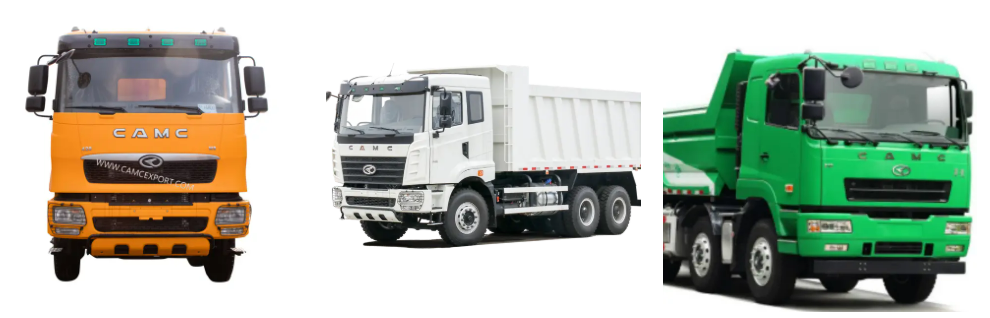
To determine whether a dump truck qualifies as heavy equipment, we need to consider several factors that define heavy equipment in general:
Size and Weight: Heavy equipment is typically large and weighs several tons. Dump trucks fall within this category, as they are designed to carry heavy loads, often exceeding 10 tons, and can weigh up to 30 tons or more when fully loaded.
Functionality and Role in Operations: Heavy equipment is designed to perform specific, often challenging tasks such as earth-moving, material transport, and demolition. Dump trucks perform similar roles in construction and mining, where they are essential for hauling large quantities of material.
Durability and Power: Heavy equipment is built to endure rough conditions and provide consistent performance over long periods. Dump trucks, with their heavy-duty engines and robust frames, are designed to withstand the harsh conditions of construction sites and mines.
Dump trucks are critical components of large construction projects, which is one of the key criteria that classify them as heavy equipment. In large-scale infrastructure projects, dump trucks transport raw materials such as sand, gravel, and debris. These trucks are also used to haul away construction waste, keeping the site clean and efficient.
The heavy-duty construction of dump trucks allows them to carry large loads of bulk materials, which are vital for the progression of major construction projects. Without dump trucks, it would be impossible to move such large quantities of material quickly, causing significant delays.
One of the key defining features of heavy equipment is its lifting and carrying capacity. Dump trucks are built to carry heavy materials, typically weighing several tons. Depending on the model, dump trucks can haul anywhere from 10 tons to 30 tons or more. This massive weight-carrying capability aligns them with other heavy equipment like bulldozers, excavators, and cranes.
The hydraulic systems on dump trucks enable them to lift their beds and unload heavy materials, making them efficient at transporting and unloading large volumes of bulk material. This ability to lift and transport heavy loads places dump trucks firmly in the category of heavy equipment.
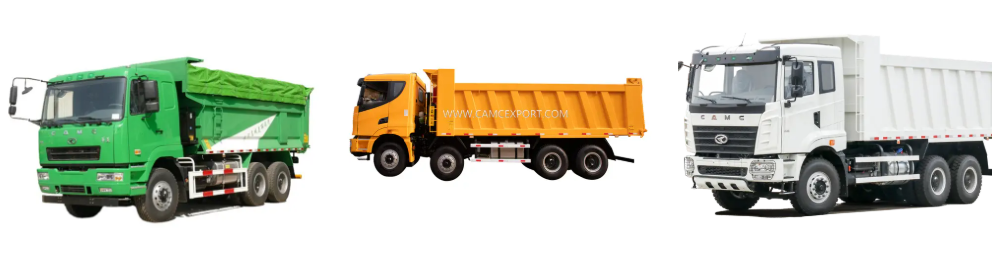
Although dump trucks are often classified as heavy equipment, they differ from other types of heavy machinery in some important ways. Here are some key differences:
Dump trucks are versatile in their ability to transport various materials, from sand and gravel to waste and construction debris. However, other types of heavy equipment like bulldozers, excavators, and cranes are more specialized in the tasks they perform. For example, bulldozers are designed for grading and clearing land, while excavators are specialized for digging and lifting heavy objects.
Dump trucks, while capable of hauling a wide range of materials, do not perform the same tasks as these more specialized machines. However, they complement these machines by moving the materials they excavate or grade.
Heavy equipment like bulldozers and excavators typically perform operations on-site, such as digging, grading, or lifting. Dump trucks, on the other hand, are focused primarily on material transport, either within the site or from one location to another. While they may occasionally be used for some excavation work, their primary focus is hauling.
One of the defining features of dump trucks is their mobility. Unlike many pieces of heavy equipment that are stationary or move via tracks, dump trucks are roadworthy and can travel long distances on highways and rough terrains. This mobility sets them apart from equipment like cranes or excavators, which are usually used at specific job sites and have limited mobility outside their operational area.
Dump trucks are often an essential part of a heavy equipment fleet. These trucks work in conjunction with other heavy machinery to complete tasks efficiently.
Dump trucks are an integral part of most construction, mining, and demolition projects. They work alongside equipment like excavators, loaders, and bulldozers to move materials quickly and efficiently. For example, while an excavator might dig up dirt or debris, a dump truck can transport the material away from the site to a designated disposal area or another location.
By complementing other heavy equipment, dump trucks help streamline operations and ensure that tasks are completed in a timely and efficient manner.
The efficiency of any construction or mining project depends on the coordination of various pieces of heavy equipment. Dump trucks help increase the efficiency of these operations by transporting large volumes of material quickly, allowing other equipment to stay on task without unnecessary downtime. The timely movement of materials ensures that projects stay on schedule, which is critical in industries like construction and mining where delays can be costly.
Based on the criteria for classifying heavy equipment, dump trucks clearly meet the necessary qualifications. Their large size, powerful engines, heavy-lifting capacity, and critical role in construction, mining, and other industrial operations place them squarely in the category of heavy equipment.
While dump trucks may differ from other types of heavy equipment in terms of specialized functions, they share many of the same characteristics, including durability, size, and the ability to perform demanding tasks. Therefore, it is safe to conclude that dump trucks are indeed considered heavy equipment.
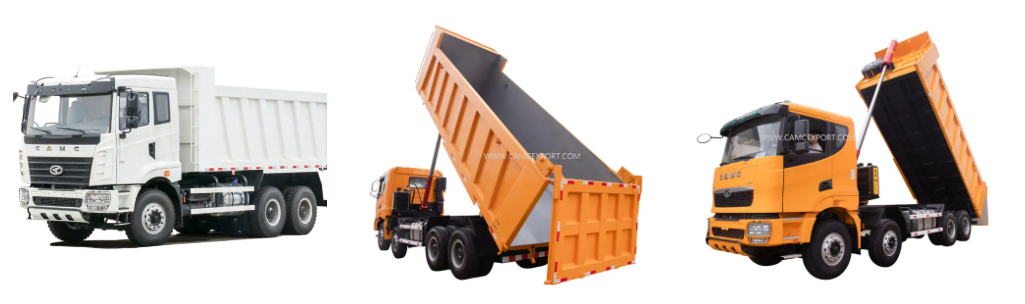
A dump truck is primarily used to transport bulk materials, including sand, gravel, construction waste, and other heavy materials.
Dump trucks can carry anywhere from 10 tons to 30 tons, depending on the model.
While dump trucks share many characteristics with other heavy equipment, such as size and power, they are primarily focused on material transport, whereas other machines like bulldozers and excavators are more specialized in earth-moving tasks.
Yes, certain dump trucks, such as articulated dump trucks (ADTs), are designed for off-road use, making them ideal for mining and rough construction environments.
Dump trucks are used in construction, mining, waste management, and infrastructure development, among other industries.


